
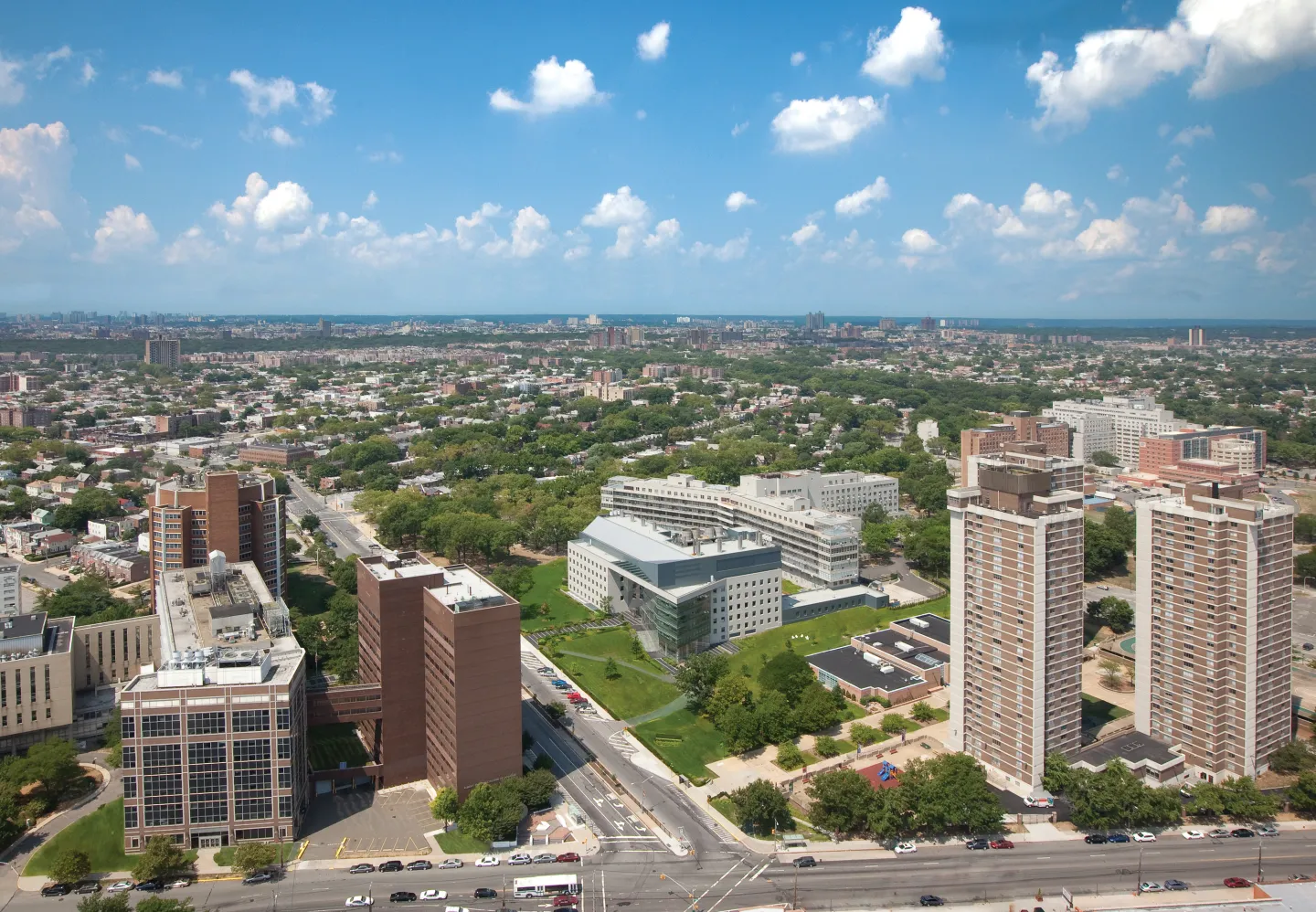
Our Story
Since its inception, Albert Einstein College of Medicine is where innovation meets compassion. We are home to humanistic, dynamic leaders in healthcare and the biomedical sciences, who drive educational innovation and research excellence through partnerships with our community in the Bronx and beyond. We train physicians and scientists to provide exceptional patient care, while expanding and integrating the latest biomedical research into clinical settings, in areas including cancer, cardiovascular disease, diabetes, infectious diseases, longevity and the aging brain, genetics, genomics, and stem cells.
Our Founding
As early as 1945, Yeshiva University President Dr. Samuel Belkin envisioned the creation of a new medical school. Within five years, he had secured state approval and planning began in earnest for the first U.S. medical school within a Jewish university.
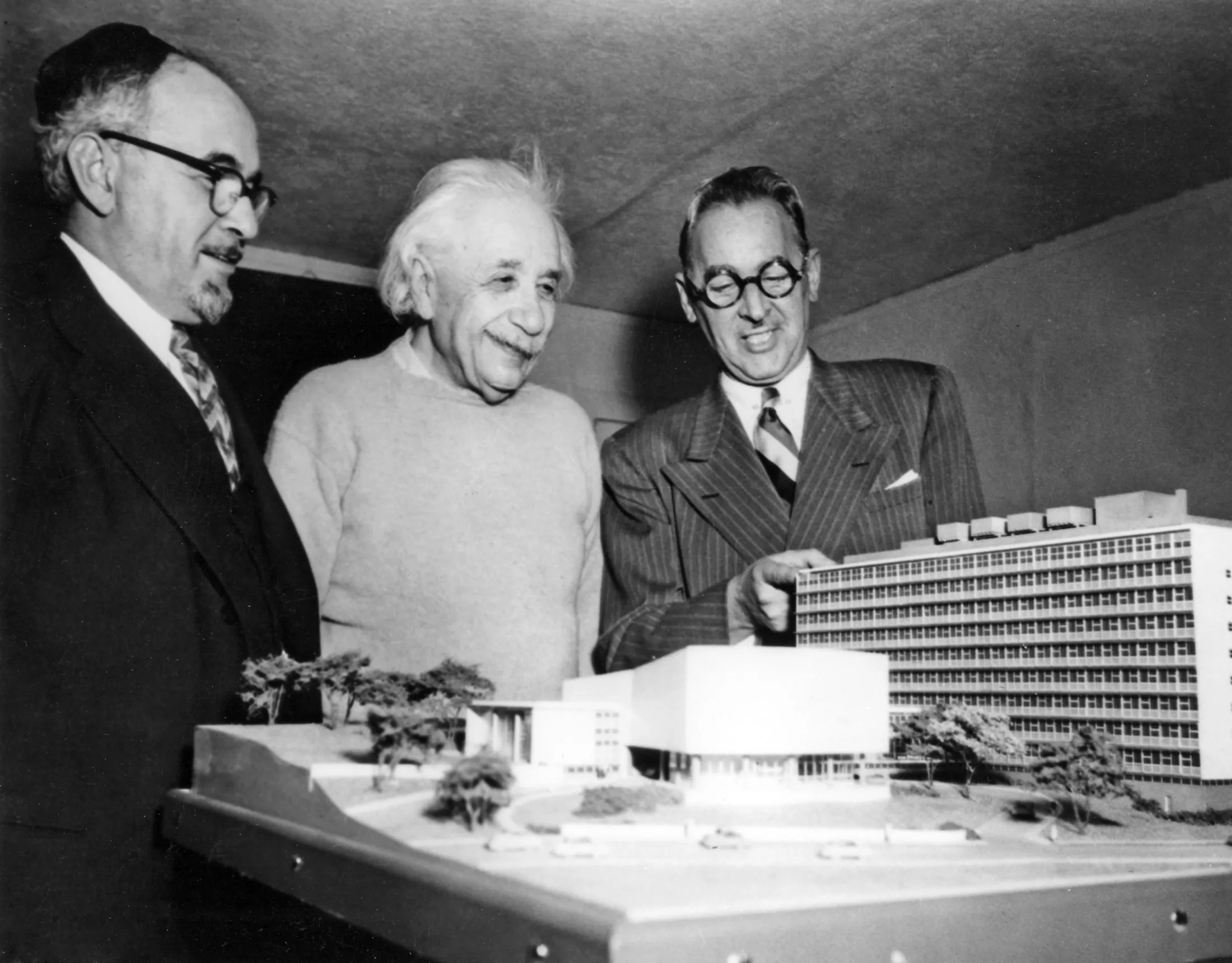
On March 18, 1954, his 75th birthday, Albert Einstein (center) with Yeshiva University President Dr. Samuel Belkin (left) and NY Attorney General Nathaniel Goldstein, with a model of Albert Einstein College of Medicine.
In 1951, renowned physicist and humanitarian Dr. Albert Einstein wrote a letter to Dr. Belkin, supporting the endeavor because the new school “…will welcome students of all creeds and races.” On March 15, 1953, the day following his 74th birthday, Dr. Einstein formally agreed to permit his name to be used for the first medical school to be built in New York City since 1897. He became an honorary chairman for the medical school fundraising campaign, alongside former first lady Eleanor Roosevelt, New York Governor Thomas Dewey, and future president Richard Nixon.
Academic leaders and faculty members were recruited from top institutions across the country, with the founding faculty among leaders in their fields, including Irving London, M.D., the founding chair of medicine, and Berta Scharrer, the co-chair of anatomy, who later won the National Medal of Science for her contributions to neurobiology and neuroimmunology.
Auspicious Beginnings
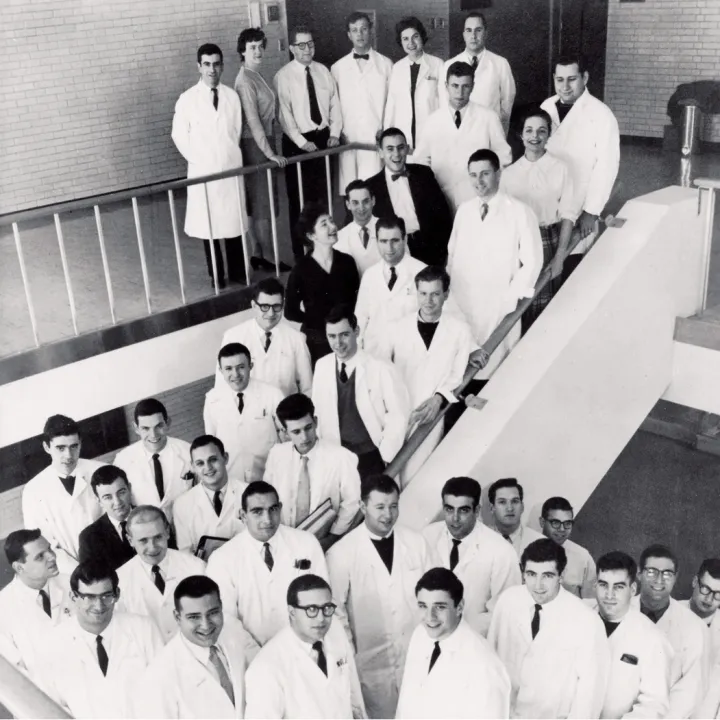
Albert Einstein College of Medicine welcomed its first class of 53 men and three women on September 12, 1955. Shortly after, an editorial in the New York Times stated, “The new medical school’s distinguished and talented faculty assured the institution of a place in the ranks of the great medical schools in the world.”
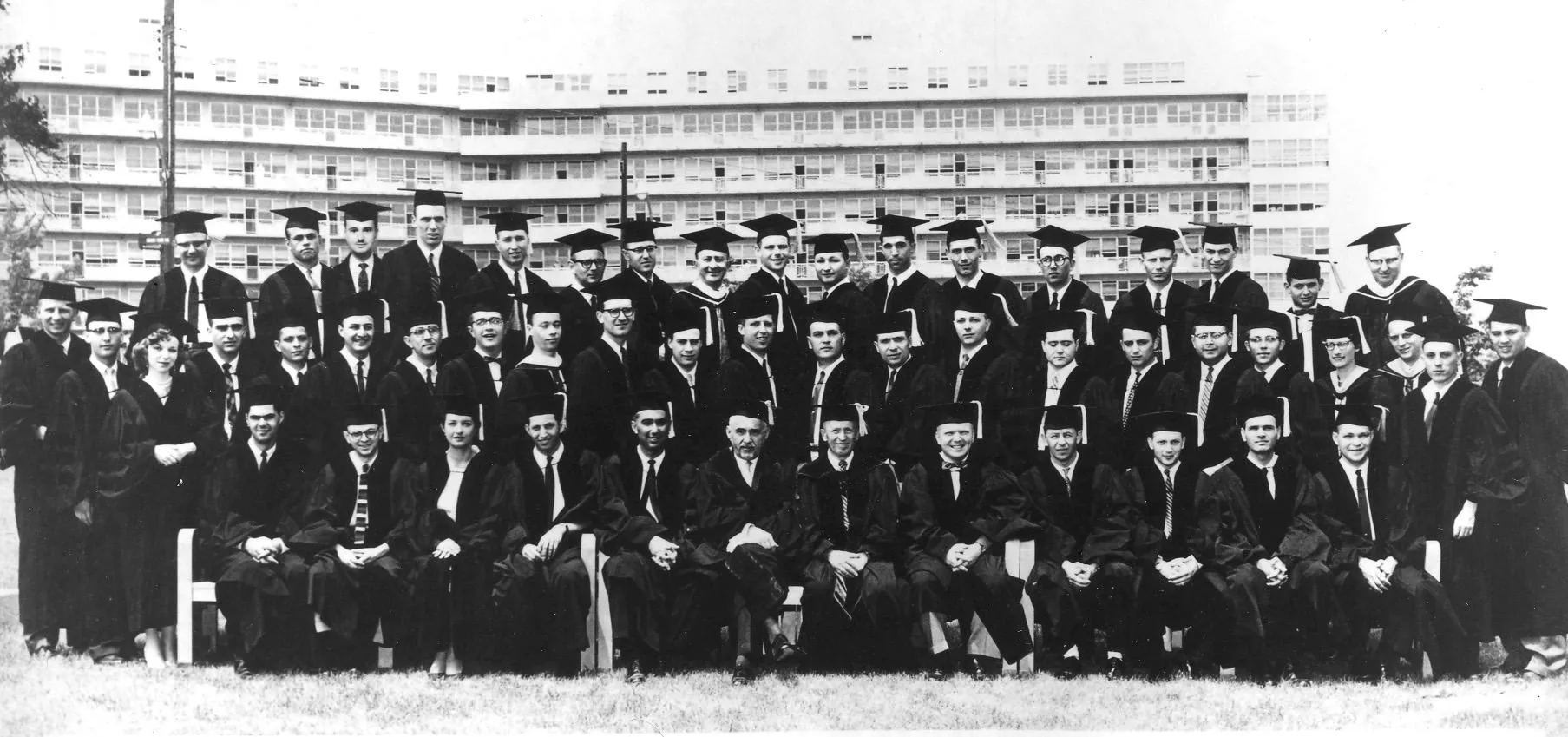
The Class of 1959, Albert Einstein College of Medicine’s first graduating medical students.
Einstein quickly expanded. In 1957, the College of Medicine opened its graduate program and began to offer Ph.D. degrees. In 1958, Einstein established one of the nation’s first Medical Scientist Training Program, which offers a combined M.D./Ph.D. degree. The program has been continuously funded by the National Institutes of Health since 1964.
Below please find important milestones in Einstein development, from its initial founding to recent achievements. Also explore our scientific breakthroughs over the years.
Einstein Milestones
We celebrate important historical milestones at Albert Einstein College of Medicine.
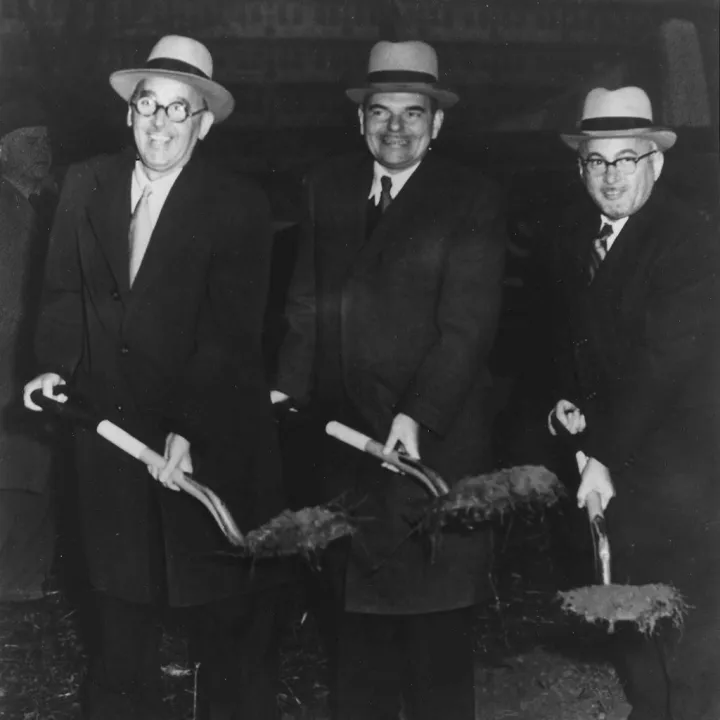
1953
Albert Einstein agrees to give his name to the medical school. Groundbreaking ceremonies are held for the new Albert Einstein College of Medicine.
1954
Dr. Marcus Kogel is named the first dean of the College of Medicine. The cornerstone is laid for the college’s first science building, now known as the Leo Forchheimer Medical Science Building.
1955
On September 12, the medical school opens its doors to its initial class of students, comprised of 53 men and 3 women. Concurrently, the Bronx Municipal Hospital Center, now known as NYC Health +Hospitals/Jacobi, opens across the street from the medical school. The affiliation between the two institutions remains vibrant today.
1956
The Children’s Evaluation and Rehabilitation Center (CERC), a program to serve children with developmental disabilities, is founded as part of the newly established department of pediatrics.
1957
The College of Medicine begins offering the Ph.D. degree and a combined M.D./Ph.D. degree as part of the new Sue Golding Graduate Division of Medical Sciences.
1959
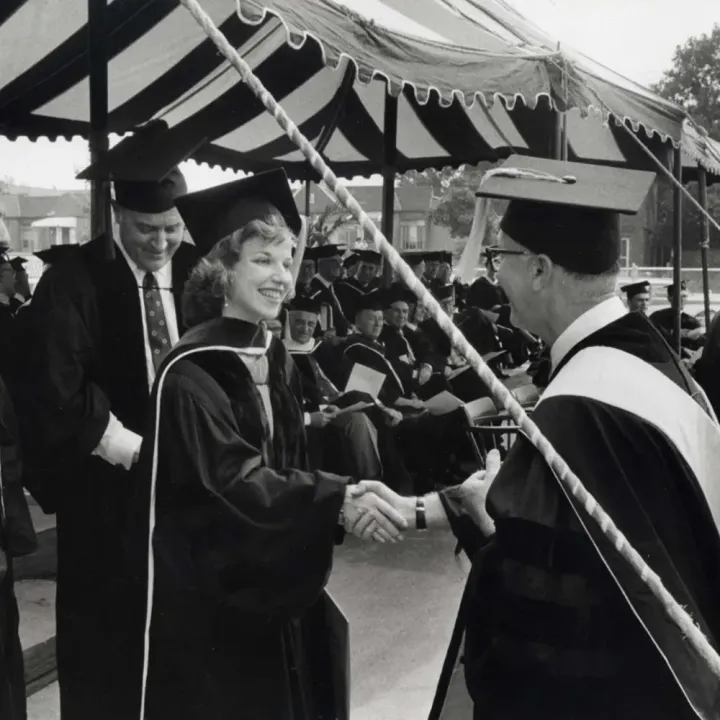
The first class of Albert Einstein College of Medicine graduates.
1963
Einstein affiliates with Montefiore Medical Center.
1964
Einstein establishes the first department of genetics at any private medical school in the United States. The Ullman Research Center for Health Sciences opens.
1966
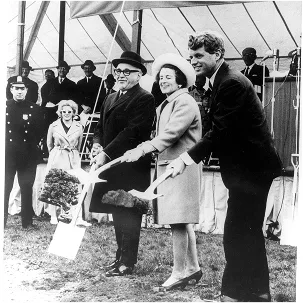
The Hospital of the Albert Einstein College of Medicine, now known as Jack D. Weiler Hospital, opens. The College of Medicine breaks ground for the Rose F. Kennedy Children’s Evaluation and Rehabilitation Center.
1970
1972
Albert Einstein College of Medicine is one of a select few biomedical institutions in the United States to be designated as a National Cancer Center by the National Cancer Institute. The Arthur B. and Diane Belfer Educational Center for Health Sciences opens, providing much needed lab space, classrooms for basic science instruction, and an auditorium for lectures.
1974
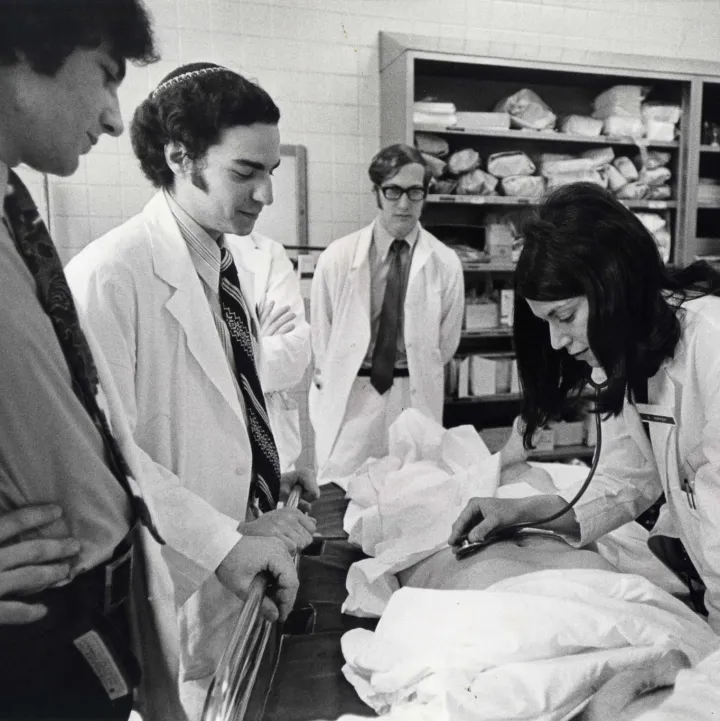
Albert Einstein College of Medicine establishes the Liver Research Center, now known as the Marion Bessin Liver Research Center, with a grant from the National Institutes of Health. The center is the first in the nation devoted to the study of liver disease and injury.
1977
The Diabetes Center, now known as the Einstein–Mount Sinai Diabetes Research Center, is founded with funding from a National Institutes of Health Diabetes Research and Training Center grant.
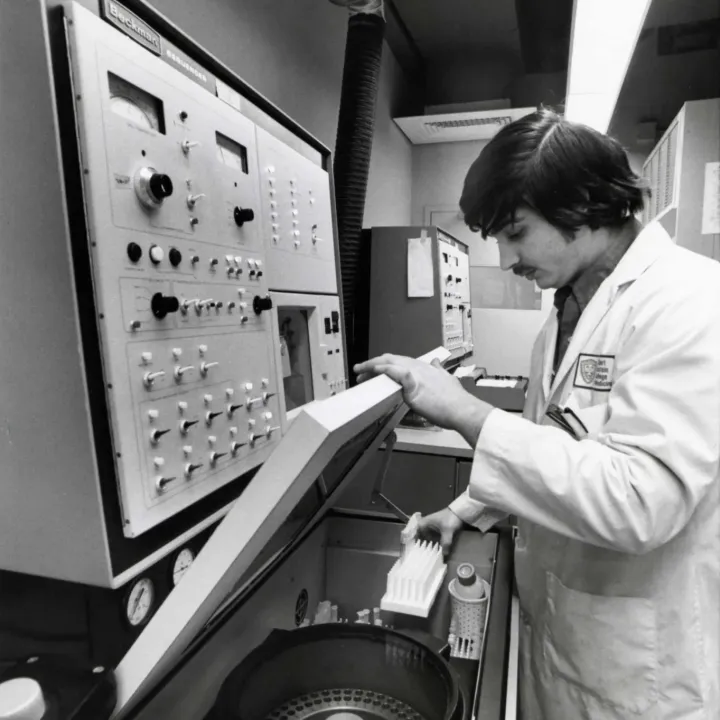
1978
The Chanin Institute for Cancer Research, opens and quickly becomes one of the largest medical school-affiliated cancer research centers in the United States, a legacy that continues today with the Montefiore Einstein Comprehensive Cancer Center. The College of Medicine establishes a postdoctoral training program to prepare medical scientists for careers as independent principal investigators at the Belfer Institute for Advanced Biomedical Studies.
1980
The College of Medicine establishes the Jack and Pearl Resnick Gerontology Center to support aging research in the division of geriatrics.
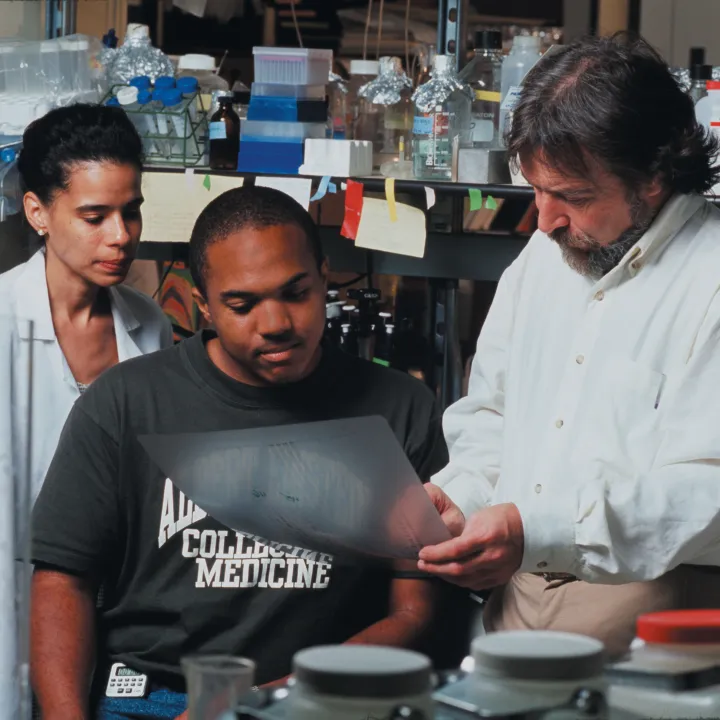
1982
The Einstein Aging Study was launched. The project, which has been continuously funded by the National Institutes of Health, investigates healthy and abnormal brain aging in participants from the Bronx community.
1983
Dr. Berta Scharrer, professor of anatomy, becomes Einstein’s first recipient of the National Medal of Science for her pioneering research.
1987
Dr. Harry Eagle, founding director of Einstein’s Cancer Research Center, becomes the second Einstein faculty member to be awarded the National Medal of Science for his research in the biological sciences which improved our understanding of how cells reproduce and included developing a method for growing human and mammalian cells in the laboratory.
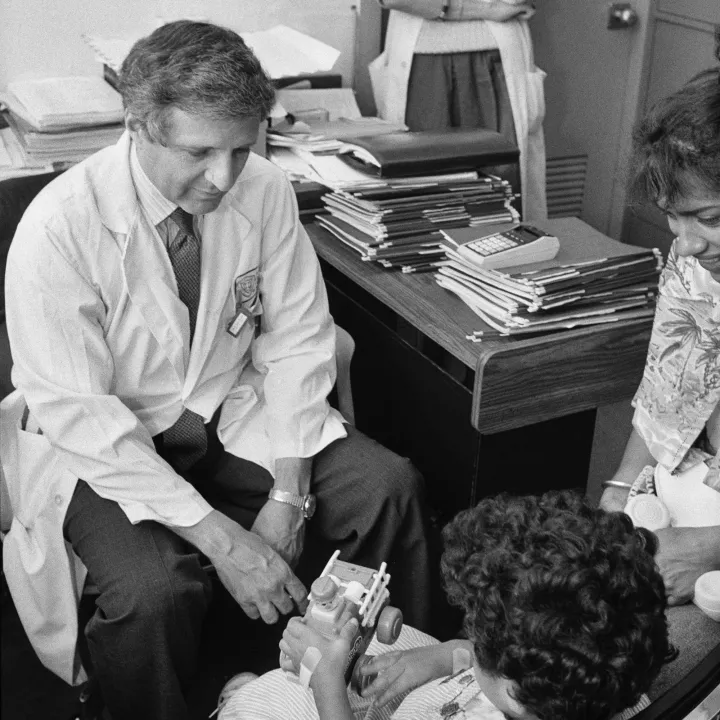
1988
The College of Medicine establishes the Sickle Cell Center and the Center for AIDS Research (CFAR), now the Einstein-Rockefeller-CUNY-Mount Sinai Center for AIDS Research, both designated NIH Centers of Excellence.
1993
Dr. Salome G. Waelsch, professor of genetics at Einstein, becomes the third Einstein recipient of the National Medal of Science for her lifetime research in the field of developmental genetics. Dr. Waelsch’s research laid the foundation for understanding the genetic processes that cause birth defects.
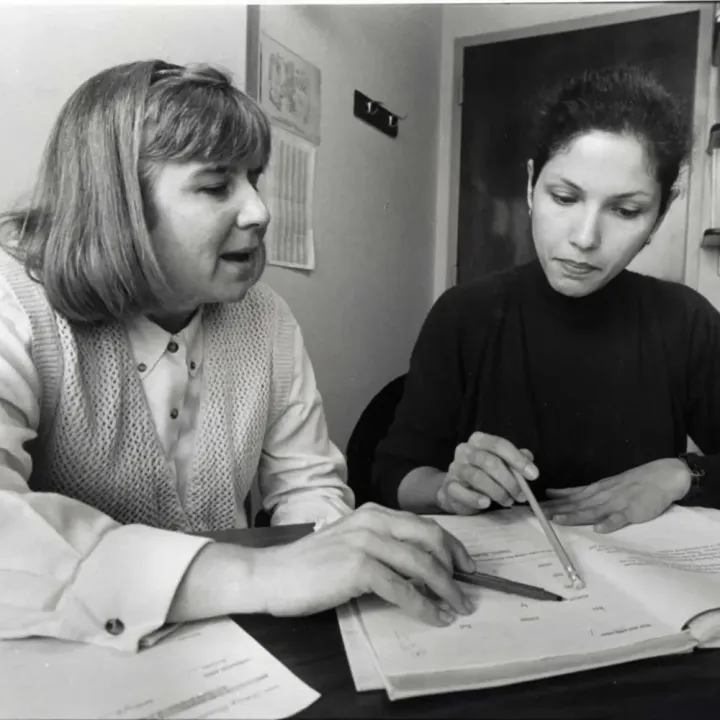
1999
The College of Medicine establishes the Fisher Landau Center for the Treatment of Learning Disabilities, part of the Rose F. Kennedy Children’s Evaluation and Rehabilitation Center, to expand and coordinate research, treatment, and educational programs for people with learning disabilities.
2002
The Gruss Magnetic Resonance Research Center opens. One of the nation’s most technologically advanced research centers for magnetic resonance spectroscopy, the center provides some of the most detailed images ever seen of the anatomy and physiology of living organisms.
2008
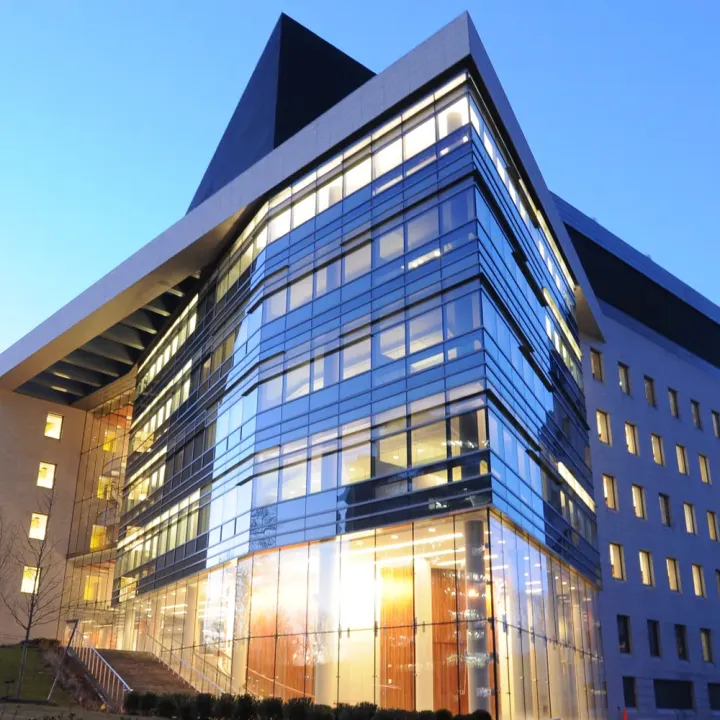
The College of Medicine opens the Michael F. Price Center for Genetic and Translational Medicine/ Harold and Muriel Block Research Pavilion.
2009
Albert Einstein College of Medicine and Montefiore sign a new agreement to expand the relationship between the two institutions.
2010
Einstein's Institute for Aging Research is established, uniting a range of research and clinical specialists to improve healthy aging.
2013
Several buildings on Einstein’s campus are renovated, including the D. Samuel Gottesman Library, the Harold and Muriel Block Building, the Chanin Institute for Cancer Research, the Ullman Research Center for Health Sciences, and the Kennedy building.
2015
In a historic agreement, Montefiore Medicine, now Montefiore Einstein, forms and becomes the umbrella institution for Albert Einstein College of Medicine and Montefiore Health System.
2019
The College of Medicine becomes an independent, degree-granting institution, recognized by the New York State Department of Education Board of Regents.
2021
Einstein receives full independent accreditation for all doctoral, masters, and certificate programs from the Middle States Commission on Higher Education.
2023
Montefiore Einstein Comprehensive Cancer Center receives comprehensive designation from the National Cancer Institute.
2024
A transformational gift from Dr. Ruth L. Gottesman ensures that all students in Einstein’s M.D. program will have their tuition and fees fully covered by the David S. and Ruth L. Gottesman Scholarship.